


I didn’t grow up as an artist.
I picked up a Digital Rebel in 2006, just before studying abroad in London. I’d always had the fascination but never the time, and that semester gave me both: the time and the opportunity to explore London through a lens. It was the first time I’d allowed myself to just be creative without worrying what I’d need to memorize for a test. No plan. No vision. Just a quiet pull. The world got bigger. That’s when it clicked. Not the camera — the point of it.
I’ve worked early mornings and late nights as an emergency physician. I’ve seen people on their worst days — bad accidents, surprise diagnoses, moments that rewrite everything without warning. That does something to you. It makes you stop taking ordinary days for granted.
But it was a quieter moment that changed how I saw photography. While training at Mayo Clinic, a surgical mentor created personal family photos unlike anything I’d ever seen — bolder, more intentional, more alive. They moved me even though I’d never met most of the people in them. That’s when I understood what photography could actually do when someone approached it with real intention.
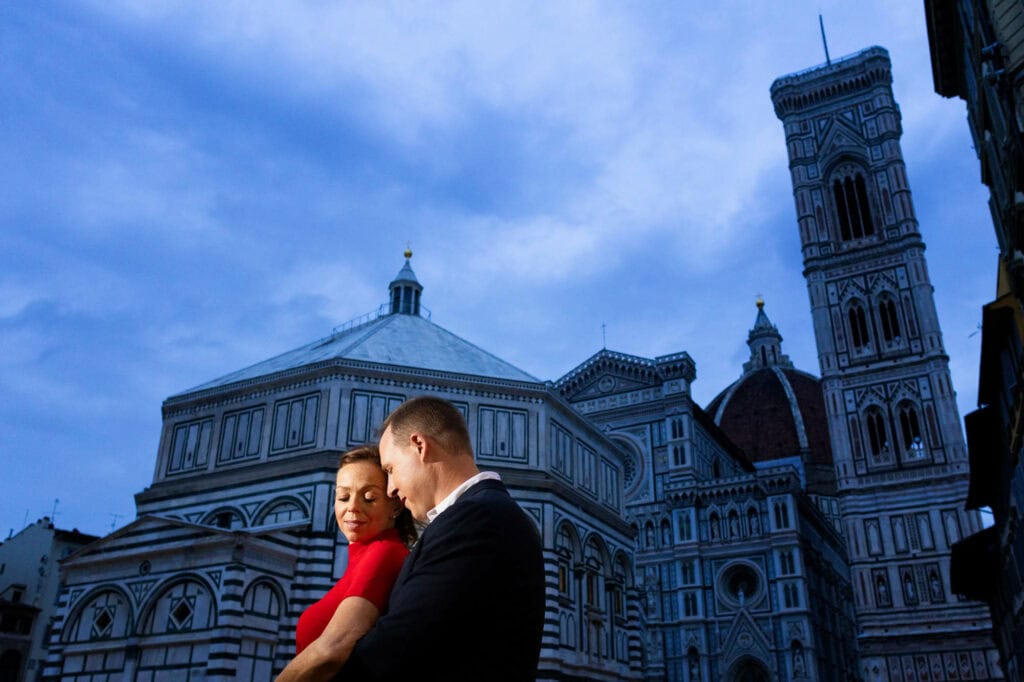
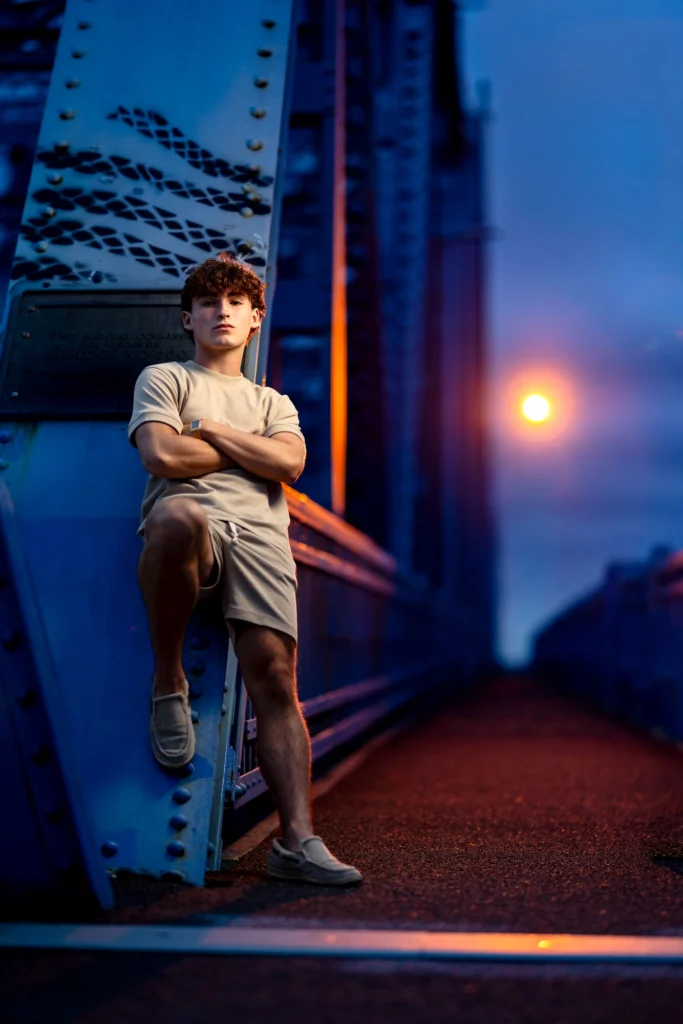
We chase every detail it takes to make a great photo. But we’ve learned that none of it means anything without the experience behind it. The confidence we create, the way a session actually feels — that shows up in every frame.
Three places to start.
Old cities, early.
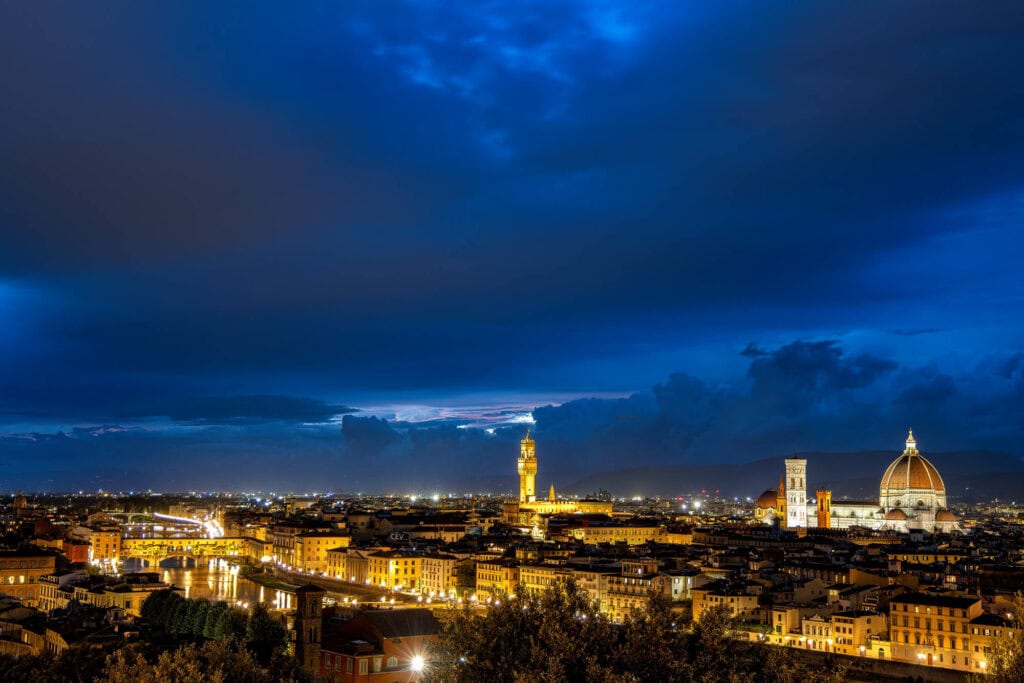
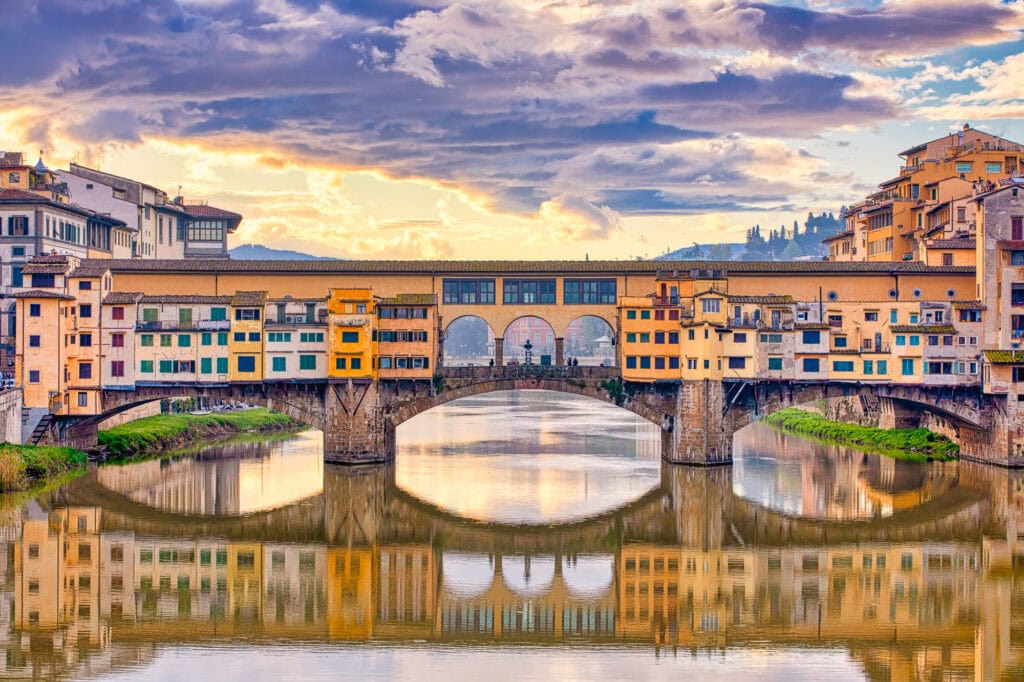
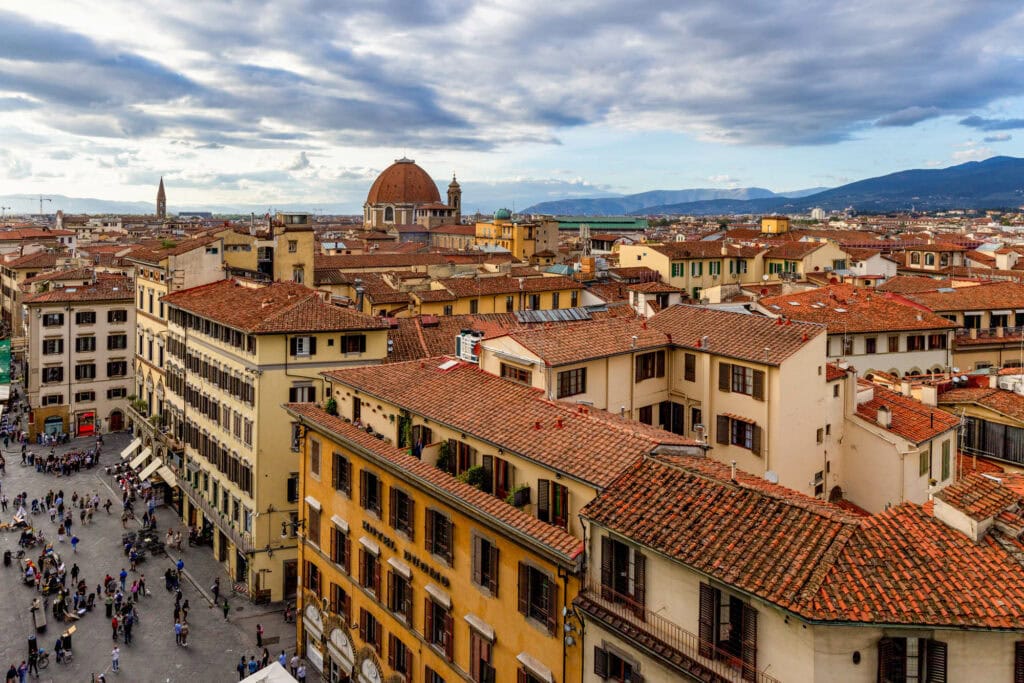
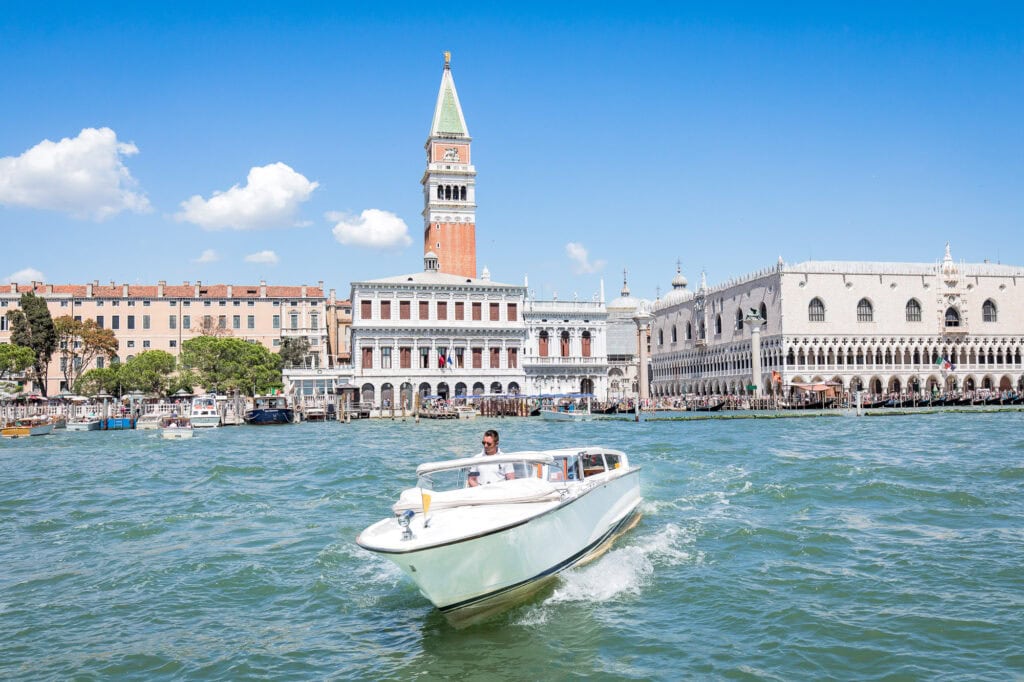
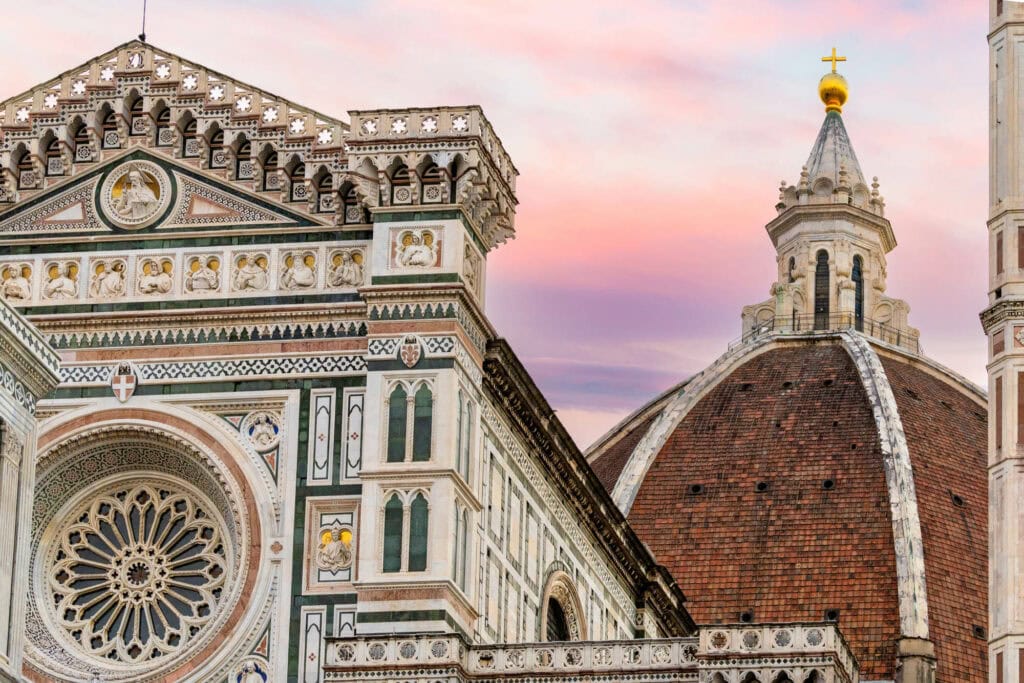
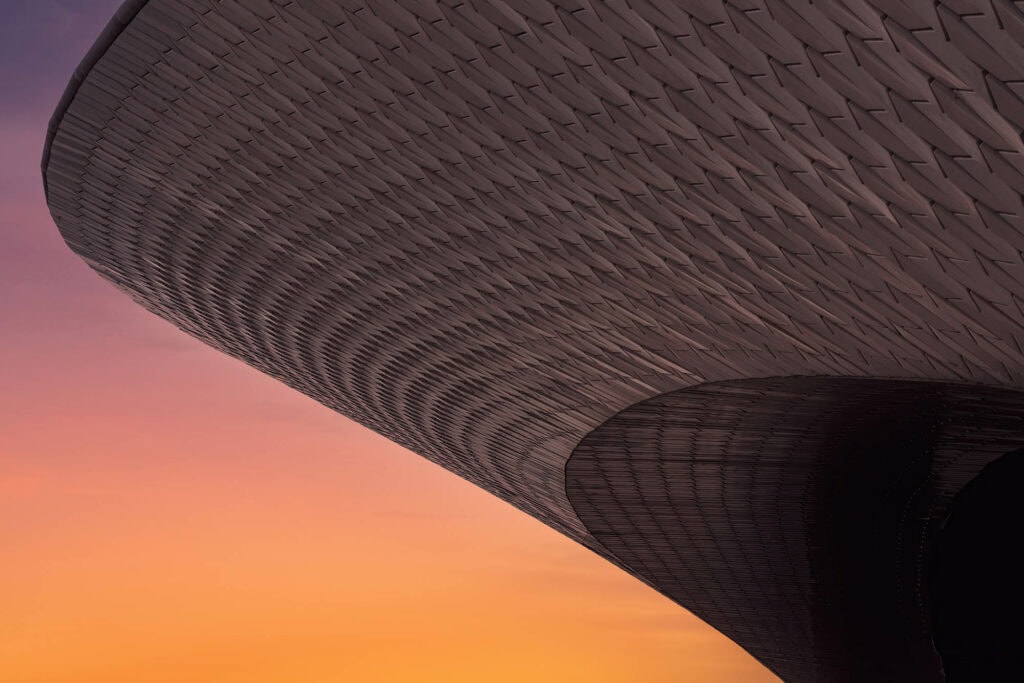
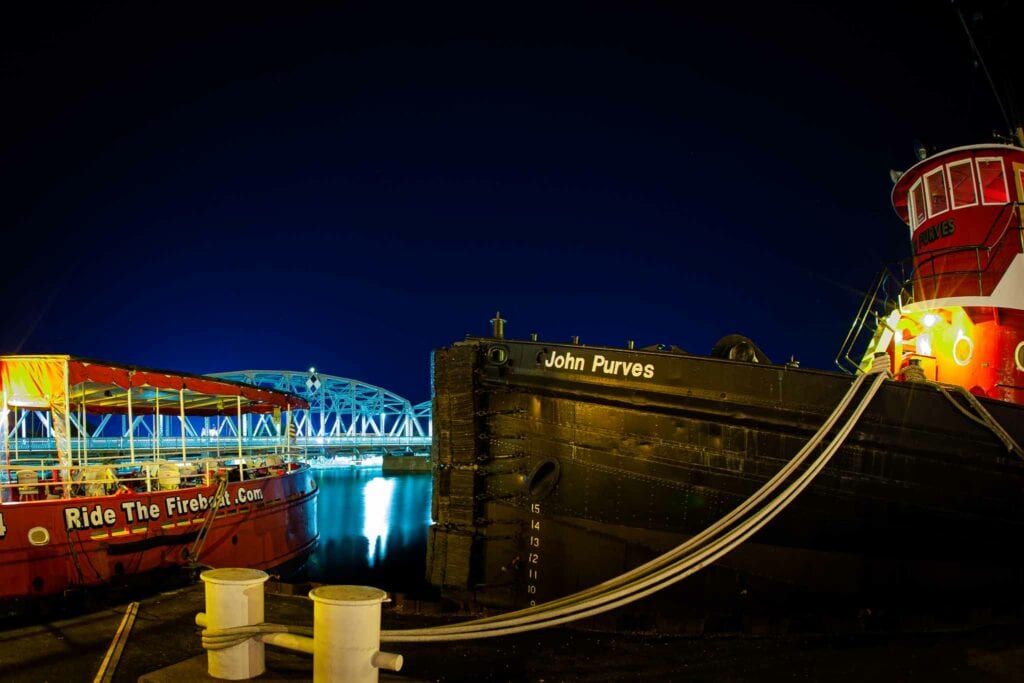
Florence, Lisbon, Venice, London. I like a city before it wakes up: the light is soft, the squares are empty and nobody is standing in the frame. City guides for Florence and London are up, with more on the way.


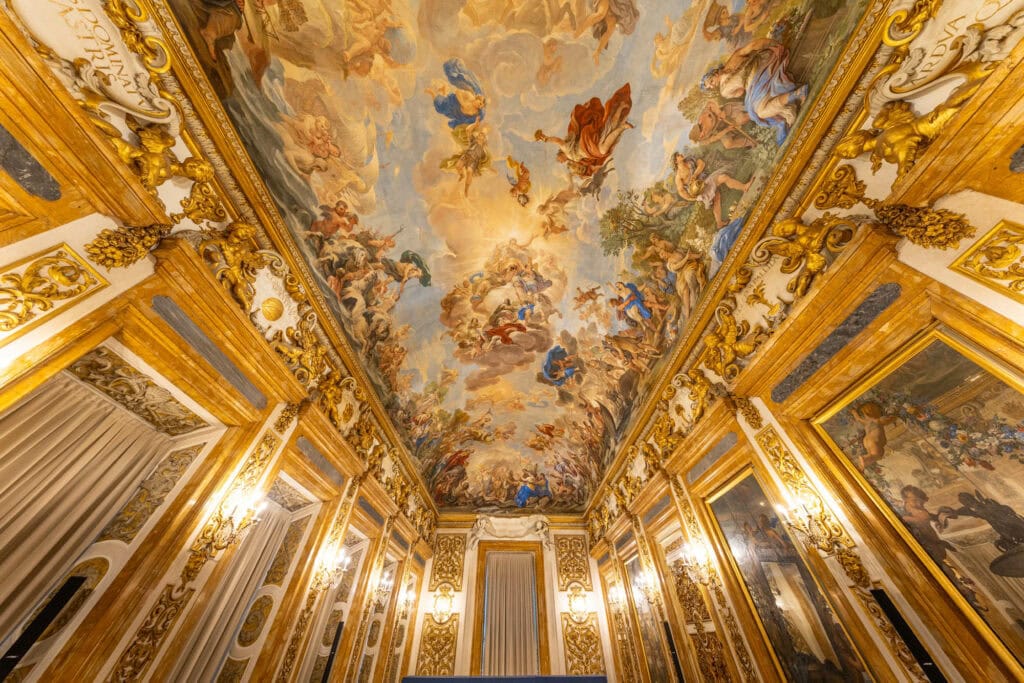
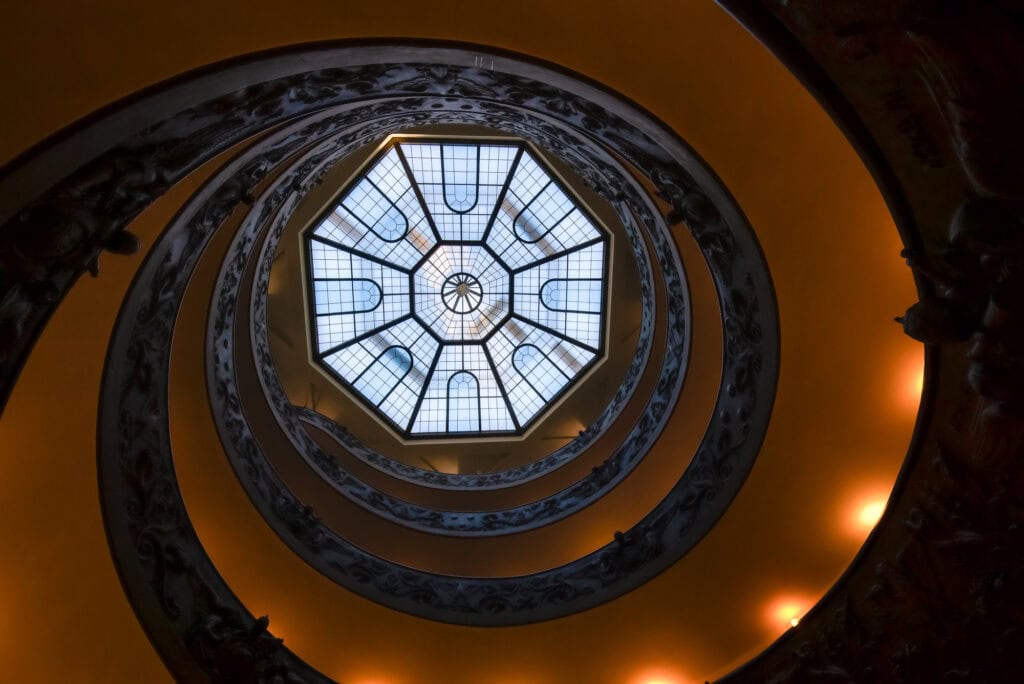
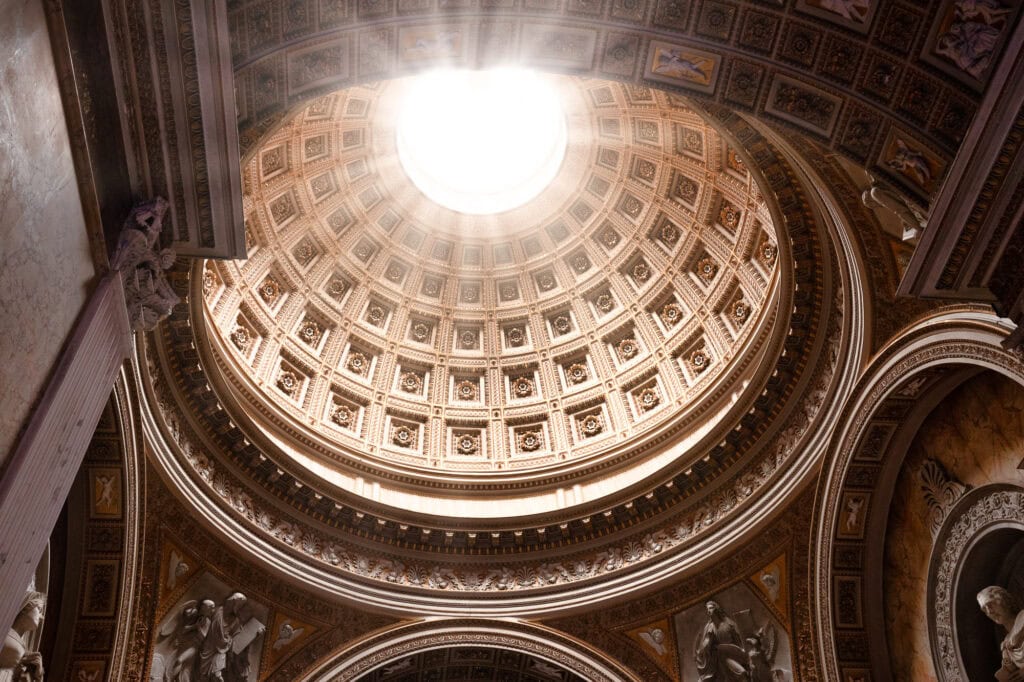
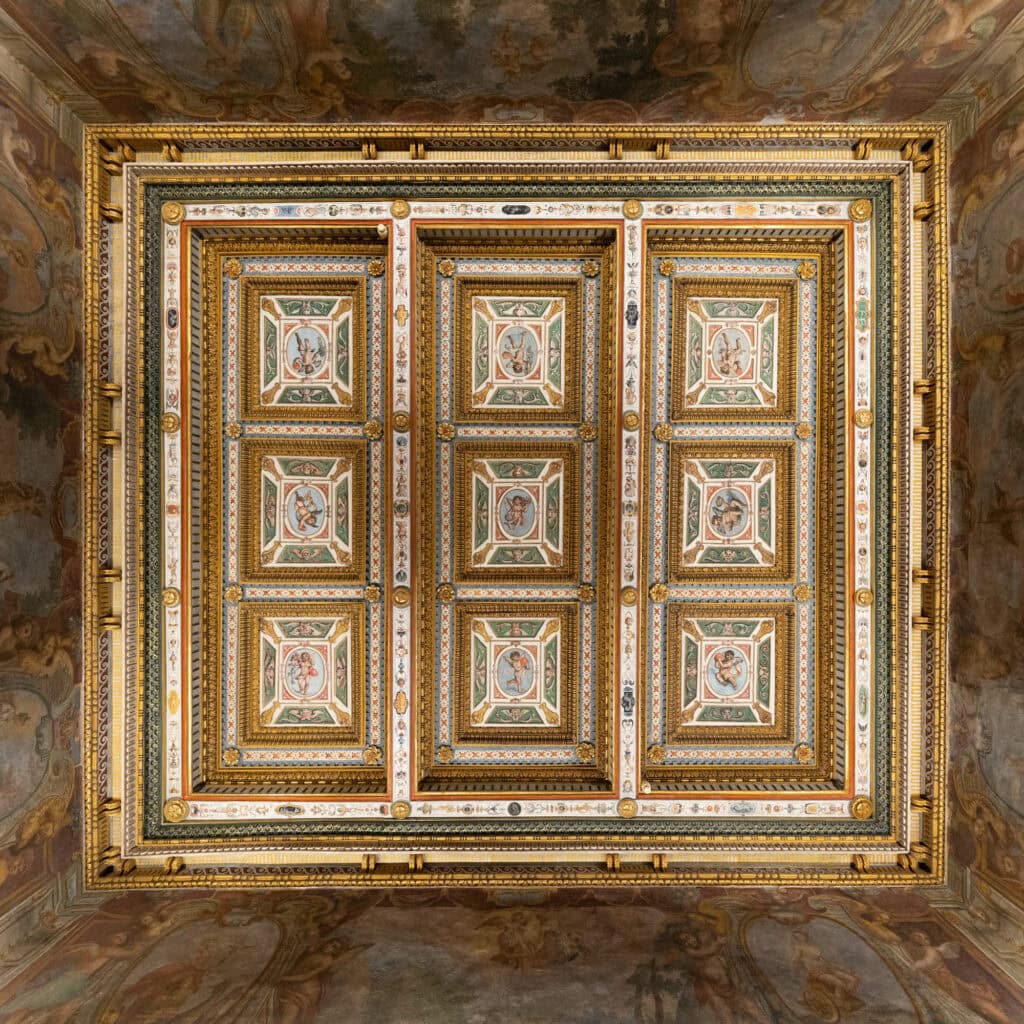
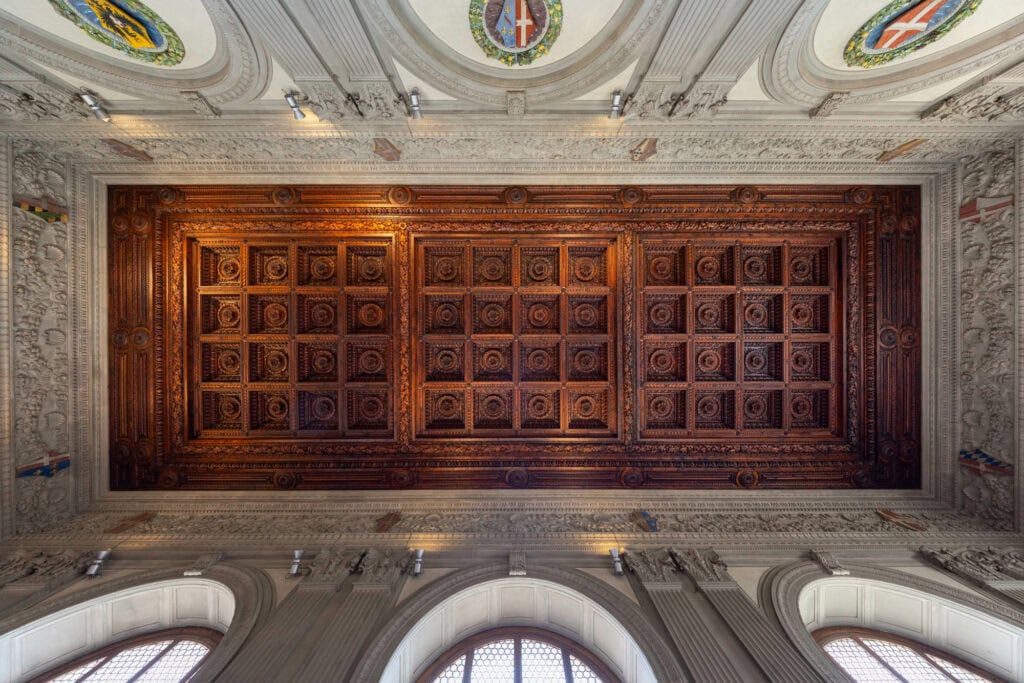
Ceilings, Florence.
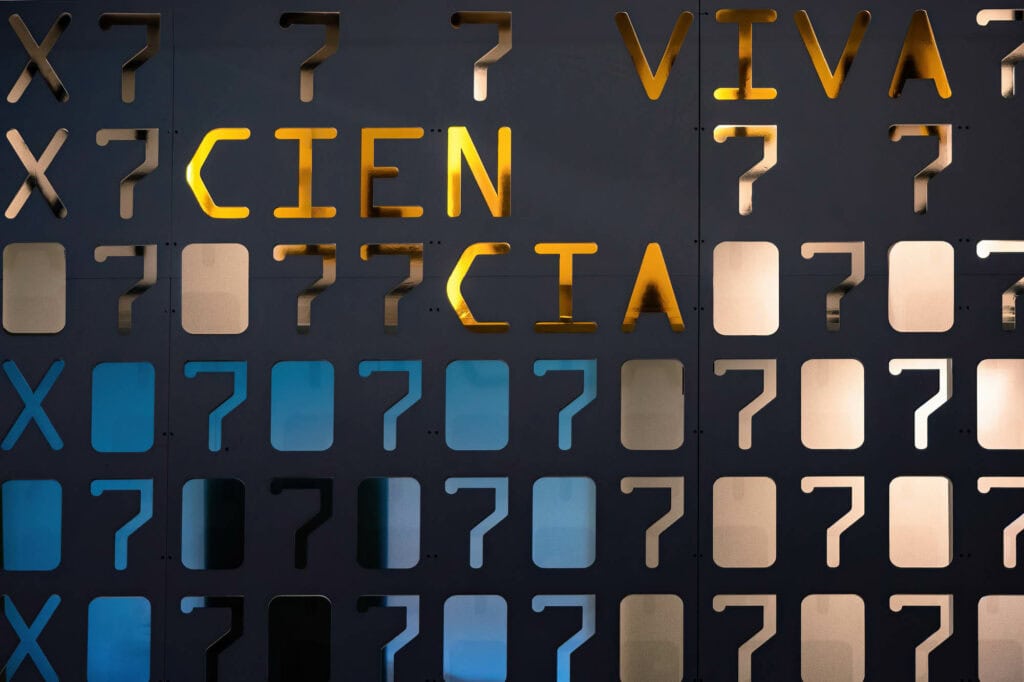
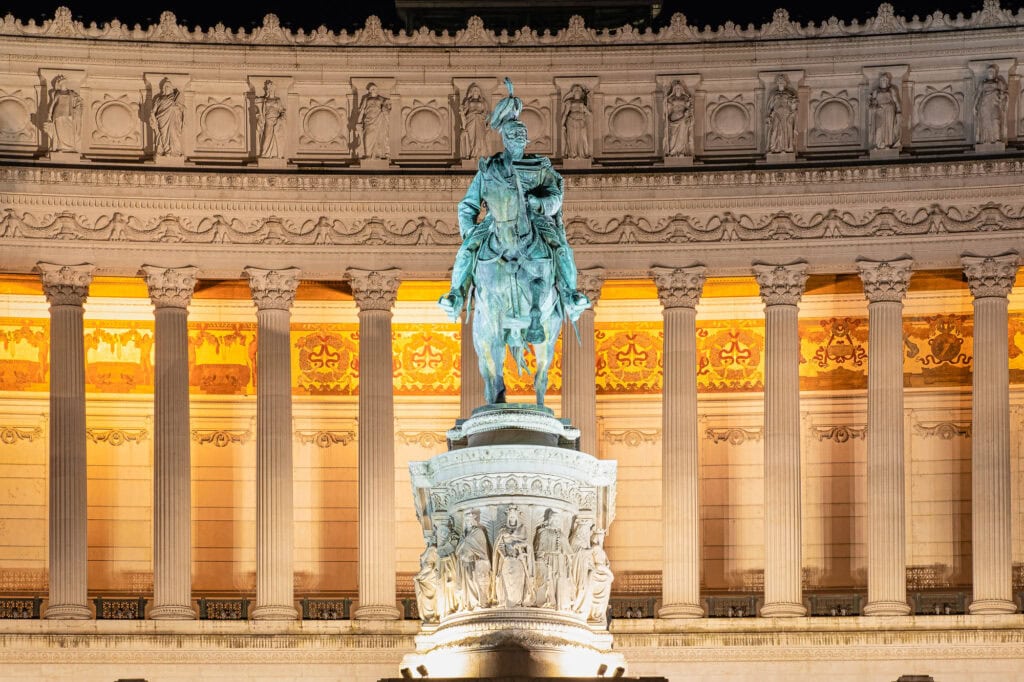
The one subject nobody is standing in front of. I lie down on the floor more than I’d like to admit.




countries, so far.
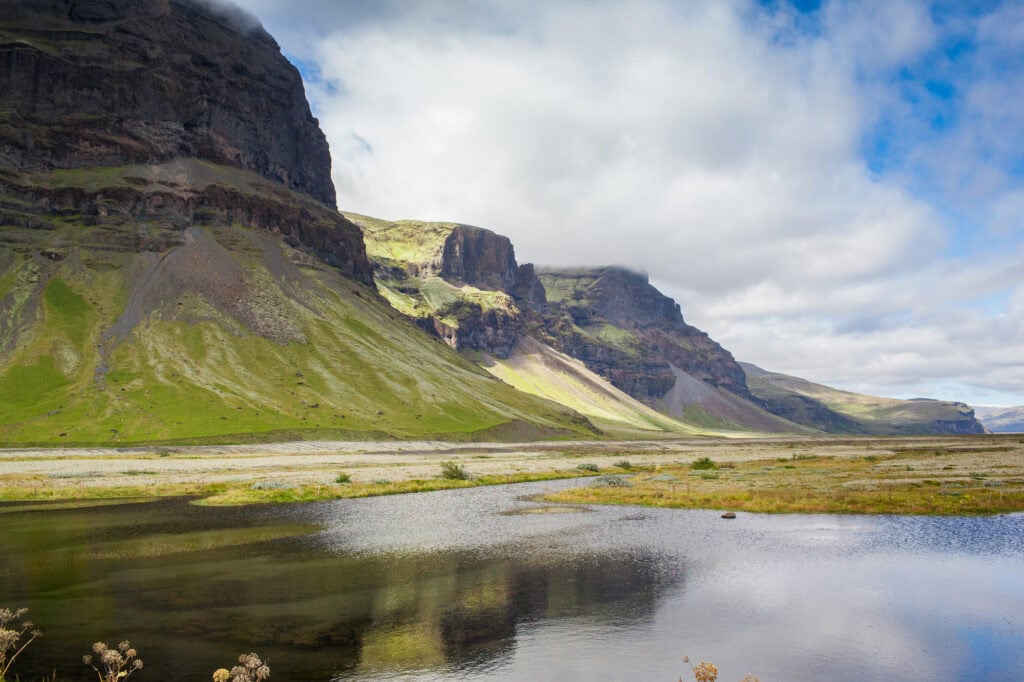
Twenty between Alisha and me, combined. Europe is the habit; the rest were good detours.
How the photos got made.
Where I stood, what time it was, what lens was on. New videos when there’s something worth showing.
WATCH ON YOUTUBE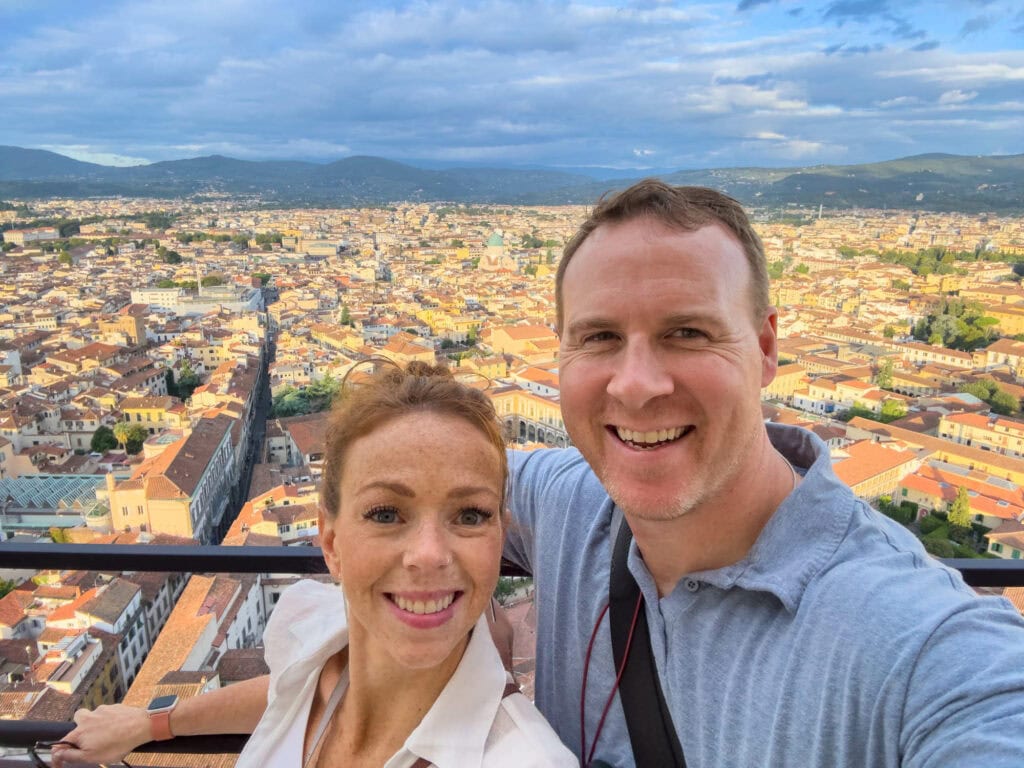
What’s in the bag.
Honest reviews and the how-tos I wish I’d had.
I didn’t grow up as an artist.
I picked up a Digital Rebel in 2006, just before studying abroad in London. I’d always had the fascination but never the time, and that semester gave me both: the time and the opportunity to explore London through a lens. It was the first time I’d allowed myself to just be creative without worrying what I’d need to memorize for a test. No plan. No vision. Just a quiet pull. The world got bigger. That’s when it clicked. Not the camera — the point of it.
I’ve worked early mornings and late nights as an emergency physician. I’ve seen people on their worst days — bad accidents, surprise diagnoses, moments that rewrite everything without warning. That does something to you. It makes you stop taking ordinary days for granted.
But it was a quieter moment that changed how I saw photography. While training at Mayo Clinic, a surgical mentor created personal family photos unlike anything I’d ever seen — bolder, more intentional, more alive. They moved me even though I’d never met most of the people in them. That’s when I understood what photography could actually do when someone approached it with real intention.
We chase every detail it takes to make a great photo. But we’ve learned that none of it means anything without the experience behind it. The confidence we create, the way a session actually feels — that shows up in every frame.
Three places to start.
Old cities, early.
I like a city before it wakes up. City guides for Florence and London are up.
Ceilings, Florence.
The one subject nobody is standing in front of.
countries, so far.
How the photos got made.
Where I stood, what time it was, what lens was on.